
Bridging the Gap: How Temple University and Philadelphia are Revolutionizing Teacher Certification
In the heart of Philadelphia, a transformative partnership is taking root, offering a blueprint for how urban education systems can tackle chronic staffing shortages while empowering industry professionals to find their second calling in the classroom. The collaboration between Temple University’s College of Education and Human Development (CEHD) and the School District of Philadelphia (SDP) is more than just a formal agreement; it is a lifeline for the city’s Career and Technical Education (CTE) ecosystem.
By leveraging city-funded tuition assistance and Temple’s academic infrastructure, the initiative seeks to streamline the path for experts in fields like culinary arts, construction, and information technology to become certified educators. As the demand for skilled labor grows, the need for qualified instructors to train the next generation of workers has never been more urgent.
Below, are some serious take aways from this story and expand on how they contribute to a stronger educational future for Philadelphia.
Removing Financial Barriers to Entry
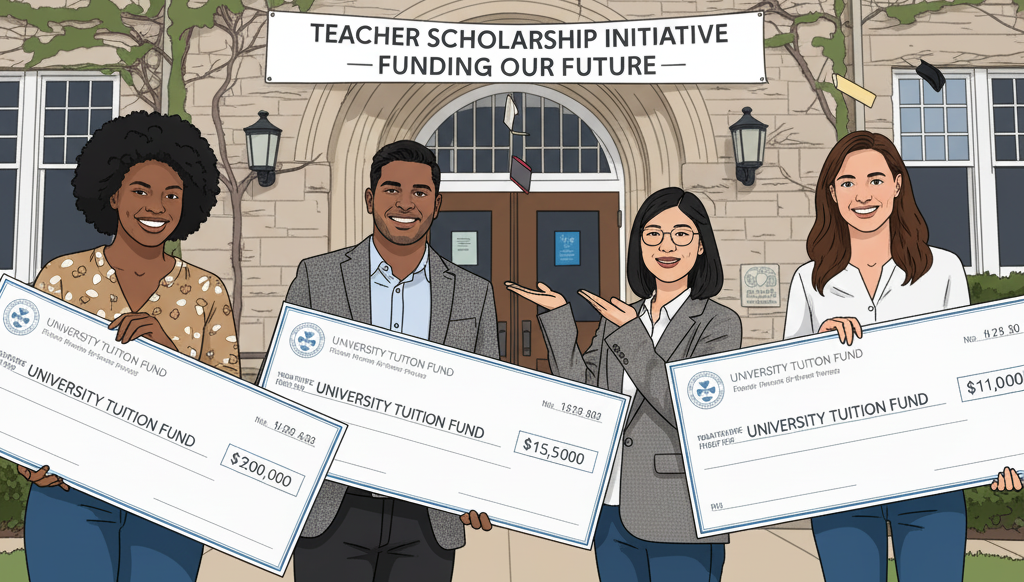
Perhaps the most immediate and impactful benefit of this partnership is the provision of city-funded tuition assistance. For many professionals considering a move from the private sector into education, the cost of post-secondary schooling is a prohibitive barrier. As Shenelle Lockhart, a computer systems technology teacher at Kensington High School, noted, “Financing is the biggest obstacle we face.”
In many cases, prospective teachers are already working full-time or supporting families. The prospect of taking on student debt to earn a certification for a career—teaching—that often pays less than high-level industry roles is a difficult pill to swallow. By providing tuition aid, the city and Temple University have effectively removed the “financial ceiling” that prevents talented individuals from entering the classroom.
For Lockhart, this assistance didn’t just make her education affordable; it made it efficient. It allowed her to double her course load, significantly shortening the time required to earn her permanent Level II license. When financial stress is removed, educators can focus entirely on pedagogy and student engagement, rather than worrying about how to balance the books at the end of the semester.
Tailored Support for Non-Traditional Educators
Transitioning from a construction site or a professional kitchen to a high school classroom is a jarring shift. Career changers possess immense subject matter expertise, but they often lack the “institutional muscle memory” required to navigate a university system or manage a classroom of thirty teenagers.
Recognizing this, Temple’s CEHD has implemented a robust coaching and mentoring program. Monika Williams Shealey, dean of CEHD, emphasized the importance of Field Resource Associates who help these “non-traditional” students navigate the transition. This support system addresses a critical reality: many of these professionals have been out of a formal academic environment for decades.
By providing first-year coaching, Temple ensures that these teachers aren’t just “thrown into the deep end.” Instead, they are guided through the nuances of lesson planning, student psychology, and administrative navigation. This mentorship creates a safety net that prevents early-career burnout—a leading cause of the teacher shortage—and ensures that these experts “show up ready for their students.”
Combatting the Specialized Teacher Shortage
The United States is currently grappling with a severe teacher shortage, but the deficit is most acute in specialized fields like Special Education, STEM, and CTE. Traditional teacher preparation programs often fail to produce enough graduates in these niches to meet the demand of large urban districts.
The Temple-Philadelphia partnership directly targets these “hard-to-fill” positions. By creating an “accelerated and flexible” pathway, Temple is able to pull talent directly from the workforce and plant it into the schools where it is needed most. This is particularly vital in a city like Philadelphia, where the economic future of the youth depends on their access to modern, relevant technical training.
When a school lacks a certified CTE teacher, it isn’t just a vacancy; it is a missed opportunity for hundreds of students to learn a trade that could provide them with a middle-class income. By streamlining the certification of 30 current students and supporting veteran teachers in their advanced licensing, this program acts as a surgical strike against the specialized labor shortage in the school district.
Strengthening the Urban Education Infrastructure
Urban school districts face a unique set of challenges, including under-resourced facilities and high leadership turnover. Dean Shealey points out a fundamental truth: “Teachers stay where schools are well-resourced, leadership is stable, and they feel valued.”
While this partnership focuses on certification, its broader implication is the stabilization of the workforce. When teachers feel supported through tuition aid and mentorship, they feel valued by the city and the university. This sense of being “invested in” fosters a deeper commitment to the district.
Furthermore, by bringing in professionals from the community—people who already live and work in or around Philadelphia—the program helps build a teacher workforce that is reflective of and committed to the local population. These teachers understand the “poverty-related issues” and the unique cultural landscape of the city, making them more likely to stay long-term than those who might view an urban teaching stint as a temporary stepping stone.
Expanding the Vision: A Model for the Nation
The success of the Temple-Philadelphia agreement provides a roadmap for other major cities. The traditional model of teacher education—four years of undergraduate study followed by student teaching—is no longer sufficient to meet the specialized needs of 21st-century schools. We need “lateral entry” programs that value life experience and technical skill as much as academic theory.
To truly expand on the positives of this story, we must look at the long-term economic ripple effects. When a student at Kensington High School learns computer systems technology from a certified expert like Shenelle Lockhart, they aren’t just earning a credit; they are gaining a marketable skill. This leads to higher graduation rates, better job placement, and a more robust local economy.
However, as Dean Shealey wisely noted, certification is only half the battle. To keep these talented individuals in the classroom, the city must continue to address the systemic issues of pay and school resources. “Teachers need to be paid what they are worth,” she stated, reminding us that while tuition assistance is a fantastic start, it must be part of a larger, sustained investment in the profession of teaching.
The partnership between Temple University and the School District of Philadelphia is a shining example of institutional synergy. By focusing on affordability, mentorship, specialized recruitment, and workforce stability, they are doing more than just filling vacancies—they are elevating the status of the educator.
As the first cohort of thirty students moves toward their Level I certification, the city can look forward to a new wave of teachers who are not only experts in their crafts but are also equipped with the pedagogical tools and financial freedom to succeed. In the fight to save urban education, this collaboration proves that when the city, the university, and the industry work together, the real winners are the students.